
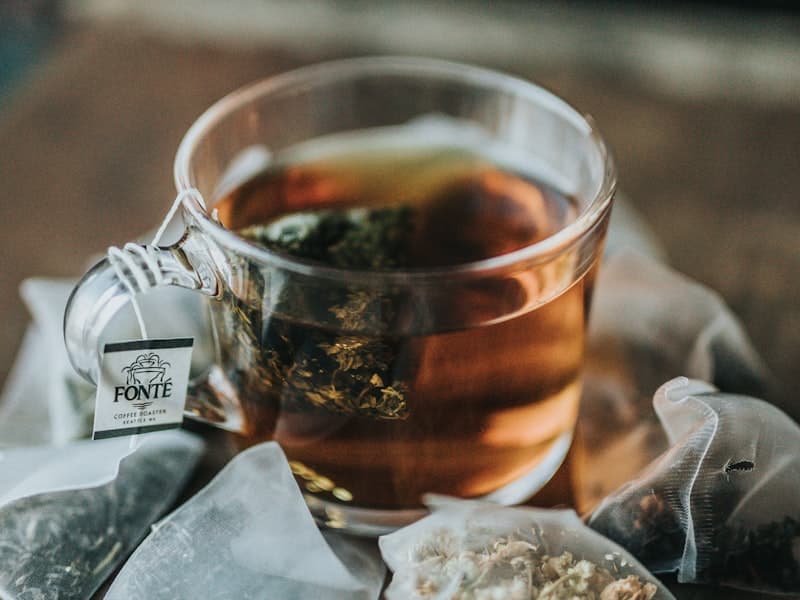
A tincture is a concentrated liquid extract made by soaking plant material in a solvent — typically alcohol — to extract the herb's active compounds. Tinctures are one of the oldest and most effective forms of herbal medicine, and making them at home is simpler than most people think.
This guide covers everything from basic folk-method tinctures to precise weight-to-volume preparations. Whether you're making your first tincture or refining your technique, this is the reference you'll come back to.
Why Tinctures?
Compared to teas, capsules, and other preparations, tinctures offer several advantages:
Superior extraction. Alcohol dissolves both water-soluble and alcohol-soluble compounds, capturing a broader spectrum of active constituents than water alone. Alkaloids, resins, volatile oils, and some glycosides are poorly extracted by water but readily dissolve in alcohol.
Long shelf life. Properly made tinctures last 3-5 years (some herbalists say indefinitely). Dried herbs degrade significantly within 12-18 months.
Fast absorption. Alcohol-based tinctures are absorbed sublingually (under the tongue) and through the stomach lining, reaching the bloodstream in 15-30 minutes versus 45-90 minutes for capsules.
Precise dosing. Drops and milliliters are easier to titrate than "cups of tea" or "capsules."
Understanding Solvents
The solvent (called the menstruum in traditional pharmacy) is the liquid that extracts active compounds from the plant material (called the marc). Your choice of solvent determines what you extract.
Alcohol
The gold standard for most tinctures. Different alcohol percentages extract different compounds:
25-40% alcohol (equivalent to 50-80 proof) — Best for mucilaginous herbs, mineral-rich herbs, and those with primarily water-soluble compounds. Examples: marshmallow root, slippery elm, nettles.
40-60% alcohol (80-120 proof) — The most versatile range. Extracts both water-soluble and moderately alcohol-soluble compounds. Good for most leaves, flowers, and roots. Examples: echinacea, chamomile, valerian, passionflower.
60-90% alcohol (120-180 proof) — Necessary for resins, gums, and highly alcohol-soluble compounds. Examples: myrrh, propolis, cannabis, kava kava.
What to use: 80-100 proof vodka (40-50% alcohol) is the most practical choice for home tincture makers. It's clean-tasting, widely available, and covers the extraction needs of most herbs. For resinous herbs, use 151-proof grain alcohol (Everclear) or high-proof brandy.
Important: Never use rubbing alcohol (isopropyl), methanol, or denatured alcohol. These are toxic. Only use ethanol intended for human consumption.
Glycerin (Glycerite)
Vegetable glycerin is the alcohol-free alternative. It produces a sweet, shelf-stable extract suitable for children and those avoiding alcohol. However, glycerin is a significantly weaker solvent than alcohol — it extracts roughly 50-60% of the compounds that alcohol does. Glycerites are best for mild, water-soluble herbs like lemon balm, chamomile, and elderberry.
Apple Cider Vinegar (Acetract)
ACV extracts minerals and some alkaloids well but is less effective than alcohol for most other compounds. Shelf life is shorter (1-2 years refrigerated). Best for mineral-rich herbs like nettles, dandelion, and horsetail.
Method 1: The Folk Method
This is the traditional, intuitive approach used by herbalists for centuries. It doesn't require a scale or precise measurements — just a jar, an herb, and a solvent.
Equipment
Clean mason jar with tight-fitting lid
Cheesecloth or fine mesh strainer
Amber glass dropper bottles for storage
Labels and a marker
Steps
Prepare the herb. If using fresh herbs, chop finely to increase surface area. If using dried herbs, crumble or coarsely grind them — don't powder them, as fine powder makes straining difficult and can make the tincture cloudy.
Fill the jar. For fresh herbs: fill the jar loosely to the top. For dried herbs: fill the jar 1/2 to 2/3 full (dried herbs will expand as they absorb liquid).
Add solvent. Pour alcohol over the herbs until they're covered by at least 2 inches of liquid. This is important — any herb material exposed to air can mold.
Label immediately. Write the herb name, solvent type and proof, date started, and expected finish date. You will forget if you don't label it.
Macerate. Store in a cool, dark place for 4-6 weeks. Shake the jar vigorously once daily. The agitation breaks up cellular structures and improves extraction. Check the alcohol level weekly and top off if needed.
Strain and press. After 4-6 weeks, strain through cheesecloth. Gather the cheesecloth around the marc and squeeze hard — some herbalists estimate that 25-30% of the active compounds remain in the marc if you don't press adequately.
Bottle and store. Pour the finished tincture into amber glass dropper bottles. Store away from heat and light. Label with the herb, solvent, proof, and date.
Method 2: Weight-to-Volume (Pharmaceutical Method)
This is the precise approach used in professional herbal practice and commercial manufacturing. It produces a standardized product with a known concentration.
The Ratio System
Tinctures are described as ratios like 1:5 or 1:2, which means:
1:5 = 1 gram of herb per 5 mL of solvent (a standard strength tincture)
1:2 = 1 gram of herb per 2 mL of solvent (a stronger, more concentrated tincture)
1:10 = 1 gram of herb per 10 mL of solvent (a weaker tincture, common for very potent herbs)
Most dried herb tinctures are made at 1:5. Most fresh herb tinctures are made at 1:2 (because fresh herbs already contain water, so less additional solvent is needed).
Steps
Weigh the herb. Use a kitchen scale accurate to 1 gram. Example: 100 grams of dried echinacea root.
Calculate solvent volume. For a 1:5 tincture with 100g of herb: 100 × 5 = 500 mL of solvent.
Determine alcohol percentage. Look up the recommended extraction percentage for your herb. Echinacea root: 45-55% alcohol. If using 80-proof vodka (40%), you're close; for precision, blend 60% grain alcohol with 40% distilled water to reach 55%.
Follow steps 2-7 from the Folk Method above, using your precisely measured quantities.
Maceration Times by Herb Type
Not all herbs need the same maceration time:
Flowers and leaves (soft tissue): 2-4 weeks. Delicate structures release compounds quickly.
Roots and barks (hard tissue): 4-6 weeks. Dense cellular structures need more time.
Resins (myrrh, propolis): 6-8 weeks. Resins dissolve slowly even in high-proof alcohol.
Fresh herbs: Generally 2-4 weeks — fresh herbs release compounds faster because cell walls haven't dehydrated and hardened.
Dosing Tinctures
Standard dosing is typically expressed in drops or milliliters. As a general framework:
Standard dose: 30-60 drops (roughly 1-2 mL, or 1/2 to 1 dropper full) taken 2-3 times daily.
Acute dose: 30-60 drops every 2-4 hours for short-term situations (onset of cold, acute anxiety).
Low-dose botanicals: Some potent herbs (lobelia, poke root, blue cohosh) are dosed at 5-15 drops. Always research specific dosing for the herb you're tincturing.
How to take a tincture: Place drops under the tongue for fastest absorption (15-30 seconds, then swallow). Or dilute in a small amount of water or juice. For alcohol-sensitive individuals, add drops to hot water — the heat will evaporate most of the alcohol in 5 minutes.
Troubleshooting Common Mistakes
Problem: Mold on the surface
Cause: Plant material above the alcohol line. Fix: Always keep herbs fully submerged. Place a clean river stone or glass weight on top to keep everything below the surface. Discard the entire batch if mold appears — do not try to salvage it.
Problem: Weak or tasteless tincture
Cause: Too much solvent relative to herb, too-short maceration, or old/low-quality herbs. Fix: Use a stronger ratio (1:3 instead of 1:5), extend maceration to 6 weeks, and source fresh, aromatic herbs.
Problem: Cloudy tincture
Cause: Herb powdered too finely, or using an herb high in mucilage. Fix: Strain through multiple layers of cheesecloth, then through a coffee filter. Cloudiness doesn't affect potency but may indicate shorter shelf life.
Problem: Tincture is too strong/harsh
Cause: Ratio too concentrated, or using an herb that's naturally intense (valerian, horehound). Fix: Dilute with additional solvent to achieve the desired ratio. Or simply take fewer drops per dose.
Storage and Shelf Life
Alcohol tinctures: 3-5+ years in amber glass, away from heat and light. The alcohol acts as a preservative.
Glycerites: 1-2 years refrigerated.
Vinegar extracts: 1-2 years refrigerated.
Signs of degradation: loss of color, loss of aroma, precipitate at the bottom that doesn't dissolve when shaken. When in doubt, make a fresh batch.
Your First Tincture: Where to Start
If you've never made a tincture before, start with one of these forgiving, effective herbs:
Lemon balm — Mild, pleasant-tasting, hard to mess up. Use fresh if possible. Folk method, 80-proof vodka, 3-4 weeks.
Echinacea — The classic immune tincture. Use dried root. Folk method, 80-proof vodka, 4-6 weeks. You'll know it's working when it makes your tongue tingle (the alkylamides).
Passionflower — A reliable nervine for anxiety and sleep. Use dried aerial parts. Folk method, 80-proof vodka, 4 weeks.
Browse our Herb Library for detailed profiles and preparation guidance for any herb, and use the Dosage Guide for specific dosing recommendations.
Making your own tinctures connects you to a tradition that predates modern pharmacy by millennia. The process is meditative, the results are practical, and once you make your first successful batch, you'll wonder why you ever bought commercial extracts.