
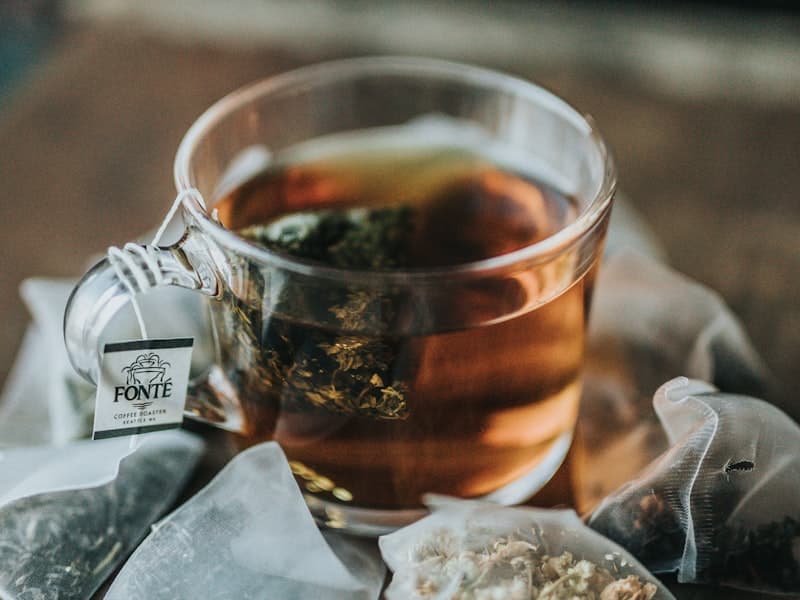
The gut is not just where you digest food. It is the seat of roughly 70% of your immune system, the production site for most of your body's serotonin, and the home of a microbial ecosystem (the gut microbiome) that influences everything from mood to metabolic health to autoimmune risk. When the intestinal barrier is compromised — a condition researchers call "increased intestinal permeability" and popular health media calls "leaky gut" — the consequences ripple throughout the body.
A 2021 review in Gut (a leading gastroenterology journal) confirmed that impaired intestinal barrier function is associated with inflammatory bowel disease, irritable bowel syndrome, celiac disease, type 2 diabetes, and even neurological conditions. The review called for more research into "barrier-protective agents" — and many of those agents already exist in the herbal pharmacopoeia.
This article presents five gut-supportive recipes organized by their primary mechanism of action: nourishing and rebuilding (bone broth), coating and protecting (marshmallow root, slippery elm), stimulating digestive secretions (bitters, digestive tea). Together, they form a comprehensive gut-support protocol.
The Three Mechanisms of Herbal Gut Repair
1. Demulcent Herbs: Coating and Protecting
Demulcent herbs are rich in mucilage — water-soluble polysaccharides that form a viscous gel when mixed with water. This gel physically coats the mucosal lining of the gastrointestinal tract, reducing irritation and creating a protective barrier. Marshmallow root (Althaea officinalis) contains up to 35% mucilage in well-grown roots — one of the highest concentrations in any medicinal plant. An in vitro study demonstrated that marshmallow root improved transepithelial electrical resistance and reduced paracellular permeability, suggesting enhanced intestinal barrier integrity.
2. Bitter Herbs: Stimulating the Digestive Cascade
Bitter taste receptors (T2Rs) are not limited to the tongue — they are found throughout the GI tract, in the liver, the pancreas, and even in airway smooth muscle. When activated, they trigger a cascade: increased saliva production, enhanced gastric acid secretion, bile release from the gallbladder, and improved pancreatic enzyme output. This is why herbalists have used bitter preparations before meals for centuries. A 2020 review in Nutrients described this as the "cephalic phase response" amplification — bitters literally prime the entire digestive system to work more efficiently.
3. Nutrient-Dense Bone Broths: Rebuilding the Barrier
Bone broth provides the raw materials for intestinal mucosal repair: glutamine (the primary fuel source for enterocytes, the cells lining the small intestine), glycine and proline (essential amino acids for collagen synthesis in the gut lining), and gelatin (which supports the mucous membrane). A 2017 review in Current Opinion in Clinical Nutrition and Metabolic Care confirmed that glutamine supplementation supports intestinal barrier function, particularly in critically ill patients and those with inflammatory bowel conditions. When you add adaptogenic herbs like astragalus and reishi, you layer immune modulation on top of structural repair.
Recipe 1: Astragalus-Reishi Bone Broth
A deep-nourishing, immune-supportive broth for daily sipping
Ingredients
2-3 pounds mixed bones (chicken feet and necks produce the most gelatin; beef marrow bones add minerals and richness)
2 tablespoons apple cider vinegar (the acidity helps leach minerals from the bones)
8 cups filtered water
1 tablespoon dried astragalus root slices (Astragalus membranaceus) — immune tonic, adaptogenic
1 tablespoon dried reishi mushroom slices or 1 teaspoon reishi powder (Ganoderma lucidum) — immune-modulating, anti-inflammatory
4 slices fresh ginger (digestive, anti-inflammatory)
4 cloves garlic, smashed (allicin release; antimicrobial)
1 tablespoon fresh turmeric, sliced (or 1 teaspoon dried)
2 teaspoons sea salt (adjust to taste)
1 tablespoon miso paste (add at the very end — heat destroys probiotics)
Method
Place bones in a large stockpot or slow cooker. Add apple cider vinegar and water. Let sit for 30 minutes before heating — the acid begins extracting minerals from the bones.
Bring to a boil, then immediately reduce to the lowest possible simmer. Skim off any foam that rises to the surface in the first 30 minutes.
Add astragalus, reishi, ginger, garlic, and turmeric.
Simmer for a minimum of 12 hours for chicken bones, 24 hours for beef bones. The extended simmering is essential for maximum gelatin, mineral, and beta-glucan extraction. Top up with water as needed to keep bones submerged. (A slow cooker on low makes this effortless.)
Strain through a fine mesh strainer. Discard the bones, herbs, and aromatics.
Let cool slightly (below 115 degrees F). Ladle 1 cup of broth and whisk in the miso paste until dissolved. Stir back into the pot.
Portion into mason jars. Refrigerate for up to 5 days, or freeze for up to 6 months.
Dosing
Drink 1-2 cups daily, warmed gently. Sip between meals for best gut-coating effects. Season with sea salt, black pepper, and a squeeze of lemon.
How to assess quality: When refrigerated, good bone broth should gel into a wobbly, Jello-like consistency. This indicates high gelatin content. If it stays liquid, the bones were not simmered long enough or lacked enough cartilage and connective tissue.
Safety: Astragalus is an immune tonic — it is for building baseline immunity, not for use during active infections with fever. During acute illness, omit the astragalus and drink the broth plain. Reishi may enhance blood-thinning medications. Those with histamine intolerance may react to long-simmered bone broth — if this is you, simmer for a shorter period (4-6 hours) or use meat-based broth instead.
Recipe 2: Marshmallow Root Cold Infusion
The gentlest, most effective way to extract mucilage for gut coating
Here is a crucial detail that most herbal references get wrong: marshmallow root should be extracted in cold or room-temperature water, not hot water. Hot water denatures the mucilage polysaccharides, producing a thinner, less viscous extract. Cold infusion preserves the full mucilaginous potential. When done correctly, the resulting liquid should be thick, slightly slimy, and coat the inside of your mouth and throat — that is exactly what it does to your intestinal lining.
Ingredients
2 tablespoons dried marshmallow root, cut and sifted (Althaea officinalis)
2 cups room-temperature or cold filtered water
Optional: 1 teaspoon raw honey and a squeeze of lemon (added after straining)
Method
Place marshmallow root in a glass jar or French press.
Pour room-temperature water over the root.
Let steep for 4-8 hours or overnight at room temperature. The water will become increasingly viscous and develop a slight golden color.
Strain through a fine mesh strainer. The liquid should feel noticeably slippery between your fingers — this is the mucilage.
Add honey and lemon if desired. Drink within 24 hours (cold infusions do not keep as long as hot preparations).
Dosing
Drink 1 cup in the morning on an empty stomach, and 1 cup before bed. For active gut irritation (gastritis, IBS flare, post-antibiotic gut repair), drink up to 3 cups daily for 2-4 weeks.
Why cold extraction matters: A 2020 study comparing hot and cold extraction methods for marshmallow root found that cold-water extraction yielded significantly higher mucilage content and greater viscosity. The mucilage polysaccharides in marshmallow root begin to degrade above 140 degrees F (60 degrees C), which is well below boiling temperature.
Safety: Marshmallow root is exceptionally safe. However, its mucilage can slow the absorption of medications taken at the same time. Take marshmallow root at least 1-2 hours away from any medications to avoid interference. This is important for people on thyroid medication, antibiotics, or other drugs with narrow therapeutic windows.
Recipe 3: Traditional Swedish Bitters
A classic European digestive formula, modernized for home preparation
Swedish bitters (Schwedenbitter) is a traditional European herbal preparation dating to at least the 15th century, popularized in the 20th century by Austrian herbalist Maria Treben. The formula activates bitter taste receptors throughout the GI tract, triggering what pharmacologists call the "bitter reflex" — a coordinated increase in saliva, gastric acid, bile flow, and pancreatic enzyme secretion that primes the digestive system for efficient food processing.
The traditional recipe calls for 11 herbs steeped in grain alcohol. This adapted version uses the most accessible and well-researched ingredients from the classic formula.
Ingredients
500 mL (about 2 cups) 80-proof vodka or grain alcohol
2 teaspoons dried angelica root (Angelica archangelica) — the primary bitter and carminative
2 teaspoons dried gentian root (Gentiana lutea) — one of the most intensely bitter substances in nature
1 teaspoon dried wormwood (Artemisia absinthium) — powerful bitter, antimicrobial
1 teaspoon dried rhubarb root (Rheum palmatum) — mildly laxative, supports bile flow
1 teaspoon dried senna leaf (Senna alexandrina) — stimulant laxative; use sparingly
1/2 teaspoon myrrh resin (Commiphora myrrha) — antimicrobial, supports oral and gut health
1 small cinnamon stick, broken
1/2 teaspoon dried ginger root
1/2 teaspoon saffron strands (traditional but optional — expensive)
Method
Place all herbs and spices in a wide-mouth glass jar.
Pour the alcohol over the herbs, ensuring everything is submerged.
Seal the jar and store in a warm location (a sunny windowsill is traditional) for 14 days. Shake the jar once daily.
After 14 days, strain through cheesecloth into a clean glass bottle. Press the herbs to extract all liquid.
Label with the date. Store at room temperature away from direct light.
Dosing
Digestive support: 1 teaspoon in a small amount of warm water, 15-30 minutes before meals
After a heavy meal: 1 teaspoon to stimulate sluggish digestion
General tonic: 1/2 teaspoon in water each morning
Shelf life: 3-5 years. The alcohol preserves the preparation indefinitely.
Safety: This formula contains senna and rhubarb, which are stimulant laxatives. Do not use daily for longer than 2 weeks without guidance from an herbalist — prolonged use of stimulant laxatives can cause dependency. Wormwood contains thujone — the amounts in this formula are within safe limits, but avoid during pregnancy. Not appropriate for people with gallstones (bitters stimulate bile flow, which can mobilize stones), active gastritis, or peptic ulcers. Gentian and wormwood are contraindicated in pregnancy and breastfeeding. Check our Medication Interaction Checker before use.
Recipe 4: Ginger-Fennel Digestive Tea
A gentle, everyday carminative tea for bloating, gas, and sluggish digestion
This simple tea combines three of the most reliable carminative (gas-relieving) herbs in the traditional pharmacopoeia. Ginger promotes gastric motility and prevents nausea. Fennel relaxes intestinal smooth muscle and relieves trapped gas. Peppermint has been extensively studied for IBS — a 2019 meta-analysis in BMC Complementary Medicine and Therapies analyzing 12 RCTs concluded that peppermint oil significantly improved IBS symptoms, particularly abdominal pain and bloating.
Ingredients
1 inch fresh ginger root, thinly sliced
1 teaspoon fennel seeds, lightly crushed
1 teaspoon dried peppermint leaves (or 5-6 fresh leaves)
2 cups boiling water
Optional: 1/2 teaspoon licorice root (adds sweetness and is a mild demulcent — omit if you have high blood pressure)
Honey to taste
Method
Place ginger, fennel seeds, and licorice root (if using) in a small saucepan. Add water and bring to a gentle boil. Reduce to low and simmer for 10 minutes. These harder ingredients need simmering (decoction) to release their active compounds.
Remove from heat. Add peppermint leaves. Cover and steep for 5 additional minutes. Peppermint's volatile oils (menthol, menthone) evaporate quickly, so covering is essential, and adding it last prevents over-extraction of the bitter compounds.
Strain into a mug. Add honey if desired.
Dosing
Drink 1 cup after meals, up to 3 times daily. For acute bloating or nausea, sip slowly while warm.
Safety: This is a very gentle tea appropriate for most adults. Fennel and peppermint may worsen GERD in some individuals (the smooth muscle relaxation can affect the lower esophageal sphincter). Licorice root should be avoided with high blood pressure, heart conditions, kidney disease, or potassium-depleting medications — or simply omit it. Fennel should be used cautiously in estrogen-sensitive conditions. Peppermint may counteract homeopathic remedies — allow 30 minutes between them.
Recipe 5: Slippery Elm Porridge
A soothing, nutrient-dense breakfast for irritated or inflamed guts
Slippery elm (Ulmus rubra) bark produces a mucilage similar to marshmallow root, making it one of the premier demulcent herbs for gut inflammation. A clinical study using a formula containing slippery elm bark, lactulose, oat bran, and licorice root found significant improvements in bowel habits and IBS symptoms, including enhanced stool frequency and consistency, along with reduced abdominal discomfort.
A note on sustainability: Slippery elm is classified as at-risk by the United Plant Savers due to habitat loss and overharvesting. If you use it, source from cultivated trees only and consider marshmallow root as a sustainable alternative for most applications. Many herbalists now recommend marshmallow root as the primary demulcent, reserving slippery elm for acute situations.
Ingredients
2 tablespoons slippery elm bark powder
1 cup boiling water or warm milk
1 tablespoon raw honey or maple syrup
1/2 teaspoon cinnamon
Pinch of sea salt
Optional toppings: banana slices, a drizzle of nut butter, ground flaxseed, fresh berries
Method
Place slippery elm powder in a bowl.
Add boiling water or warm milk slowly, stirring constantly with a fork or whisk. The powder will immediately begin to swell and thicken. Add more liquid if needed to reach your desired porridge consistency.
Stir in honey, cinnamon, and sea salt.
Let stand for 2-3 minutes — it will continue to thicken. Add toppings as desired.
Dosing
Eat one bowl daily, preferably as a morning meal on an empty stomach. This allows the mucilage to coat the upper GI tract before other food is introduced. For acute gut inflammation, eat twice daily for 1-2 weeks.
Safety: Slippery elm is extremely safe when taken orally. Like marshmallow root, it can slow medication absorption — separate from medications by 1-2 hours. Slippery elm is safe during pregnancy and breastfeeding (it has a long history of use in those populations). Some people dislike the mucilaginous texture — the honey, cinnamon, and toppings help significantly.
Building a Gut-Support Protocol
These five recipes can be combined into a daily gut-healing regimen:
Morning (empty stomach): Marshmallow root cold infusion — coat and protect the GI lining before eating
Breakfast: Slippery elm porridge — nourishing, demulcent, and a solid meal in its own right
Before lunch and dinner: Swedish bitters (1 teaspoon in warm water 15 minutes before the meal) — prime the digestive cascade
With or after meals: Ginger-fennel digestive tea — carminative support, reduces bloating
Evening: A warm cup of astragalus-reishi bone broth — nourishing, immune-supporting, gut-rebuilding
This protocol addresses all three mechanisms: coating and protecting (marshmallow, slippery elm), stimulating digestive function (bitters, ginger-fennel tea), and nourishing and rebuilding (bone broth). For most people with mild to moderate gut issues, 4-6 weeks of consistent daily practice produces meaningful improvements.
Explore our Herb Library for detailed profiles on each herb, and use the Herbal Support Finder to discover additional herbs matched to your specific digestive concerns. If you take medications, always check our Medication Interaction Checker before starting a new herbal protocol.
Gut healing is not a weekend project. It is a daily practice of nourishing, protecting, and respecting the 30 feet of mucosal tissue that stands between your bloodstream and the outside world. These recipes are the tools. Consistency is the medicine.